

Quintard Taylor was a professor of history at the University of Washington, the author of several books, and the founder of BlackPast.org. Quin'Nita Cobbins-Modica is an assistant professor of history at Seattle Pacific University. Albert S. Broussard is a professor of history at Texas A&M University. Norm Rice was Seattle's mayor from 1990 to 1997.
Skip to main content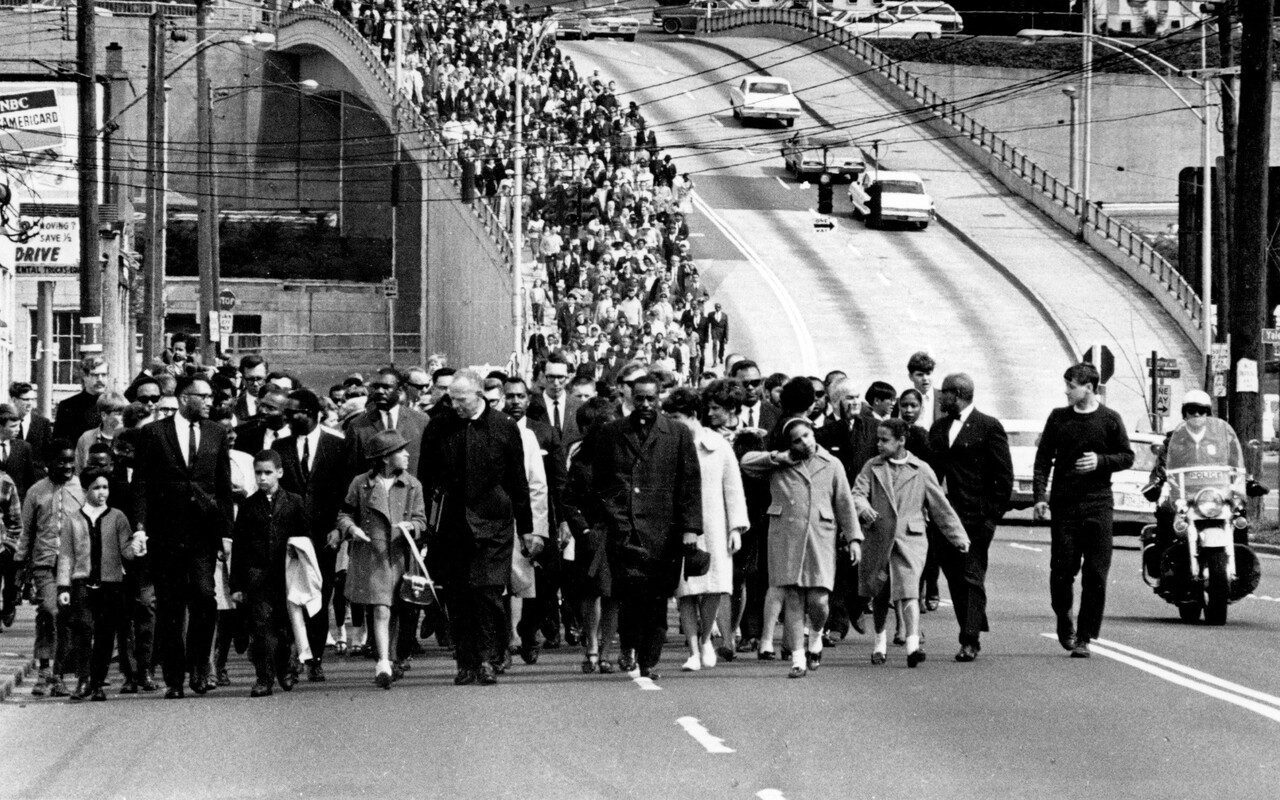
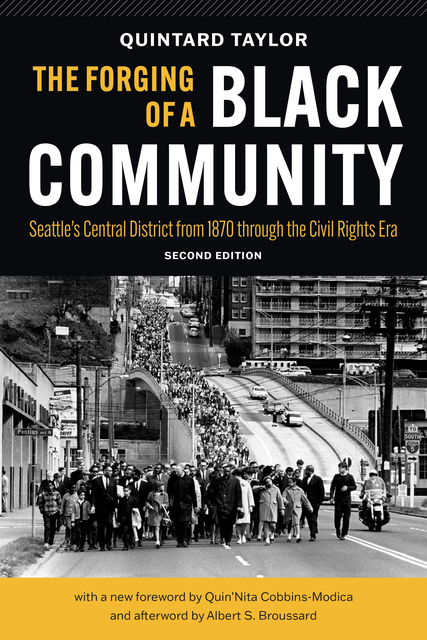
The Forging of a Black Community
Seattle’s Central District from 1870 through the Civil Rights Era (excerpt)
Quintard TaylorAuthor
Seattle's first black resident was a sailor named Manuel Lopes who arrived in 1858 and became the small community's first barber. He left in the early 1870s to seek economic prosperity elsewhere, but as Seattle transformed from a stopover town to a full-fledged city, African Americans began to stay and build a community. By the early twentieth century, black life in Seattle coalesced in the Central District, a four-square-mile section east of downtown. Black Seattle, however, was never a monolith. Through world wars, economic booms and busts, and the civil rights movement, black residents and leaders negotiated intragroup conflicts and had varied approaches to challenging racial inequity. Despite these differences, they nurtured a distinct African American culture and black urban community ethos. With a new foreword and afterword, this second edition of The Forging of a Black Community (originally published in 1994) is essential to understanding the history and present of the largest black community in the Pacific Northwest.
Metadata
- isbn9780295750415
- publisherUniversity of Washington Press
- publisher placeSeattle
- rightsAll rights reserved
- series titleEmil and Kathleen Sick Book Series in Western History and Biography